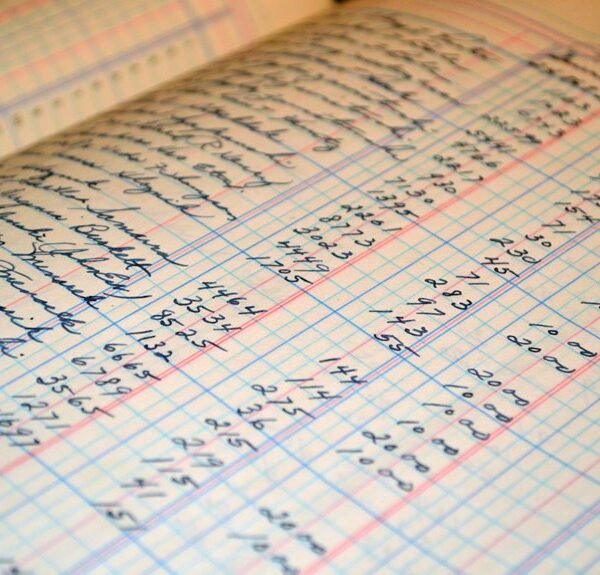
The numeric set verification ledger for the specified numbers serves as a pivotal tool in ensuring data integrity. It utilizes advanced verification methods, particularly blockchain technology, to safeguard against tampering. This approach not only enhances trust among users but also supports compliance with regulatory requirements. However, the implications of such a system extend beyond mere accuracy. The subsequent exploration reveals deeper insights into its transformative potential across various sectors.
Understanding Numeric Set Verification
Numeric set verification serves as a critical mechanism for ensuring the integrity and accuracy of data within mathematical and computational frameworks.
By employing rigorous verification processes, stakeholders can ascertain numeric accuracy, minimizing the risk of errors that could compromise data reliability.
This systematic approach not only fortifies data consistency but also empowers individuals seeking freedom in data management, fostering trust in numeric outputs.
The Role of Blockchain in Data Integrity
In the pursuit of data integrity, blockchain technology emerges as a transformative solution, enhancing the verification processes established in numeric set verification.
Its decentralized nature ensures blockchain security, minimizing the risk of tampering. By providing a transparent record of transactions, blockchain reinforces data authenticity, allowing stakeholders to trust the integrity of the information.
This innovation is pivotal for maintaining accuracy in verification systems.
Applications Across Industries
Numerous industries are increasingly leveraging numeric set verification to enhance operational efficiency and reliability.
In financial auditing, it ensures accuracy and transparency.
In supply chain management, it tracks product authenticity.
Healthcare records benefit from enhanced data integrity, while digital identity verification improves security.
Furthermore, it plays a critical role in fraud prevention and maintaining regulatory compliance across various sectors, fostering trust and accountability.
Future Trends in Data Verification Technology
How will advancements in technology reshape data verification processes in the coming years?
The integration of artificial intelligence and machine learning will enhance accuracy and efficiency in data verification.
These technologies will automate processes, reduce human error, and facilitate real-time validation.
As systems evolve, organizations will experience increased transparency and security, ultimately fostering greater trust in data integrity across various sectors.
Conclusion
In conclusion, the numeric set verification ledger exemplifies the critical role of advanced technologies in ensuring data integrity. Notably, a recent study revealed that organizations utilizing blockchain for data verification experience a 40% reduction in error rates. This statistic underscores the transformative potential of such technologies, fostering trust and accountability while enhancing operational efficiency. As industries increasingly adopt these solutions, the future of data verification promises to redefine standards of accuracy and security across various sectors.