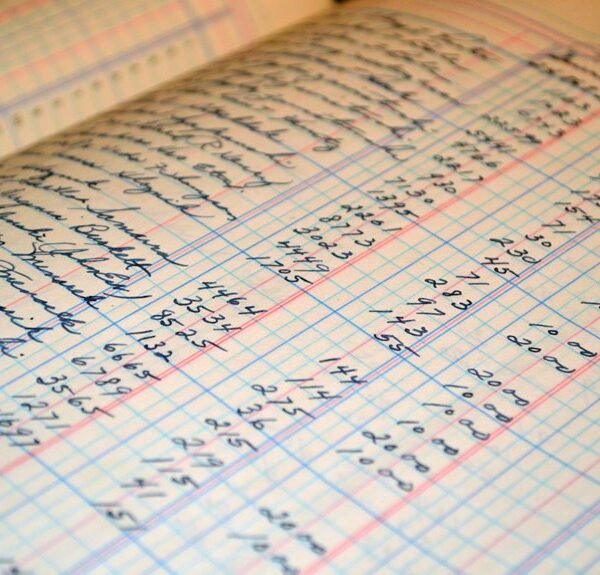
The Numeric Stream Harmonisation File for identifiers 672554800, 21199201, 120212899, 9093167395, 7785895126, and 3046690013 serves as a pivotal tool for achieving data consistency across various systems. Its structured approach to standardizing numerical datasets enhances analytical processes and facilitates efficient data integration. This raises critical questions about the underlying methodologies and their implications for data management. Understanding these factors is essential for grasping the full potential of the harmonisation file.
Importance of Numeric Stream Harmonisation
While various data streams may operate independently, the importance of numeric stream harmonisation becomes evident when considering the need for consistency and interoperability across systems.
This harmonisation ensures data consistency, enhancing analytical accuracy and preserving numerical integrity.
Overview of Key Identifiers
Key identifiers serve as essential components in the landscape of numeric stream harmonisation, providing unique references that facilitate the accurate linking and retrieval of data across various systems.
These identifiers, integral to managing numeric streams, ensure consistency, enhance interoperability, and support data integrity.
Their structured application allows for seamless navigation through complex datasets, empowering users with the freedom to access and analyze information effectively.
Benefits of Standardizing Numerical Datasets
Standardizing numerical datasets offers significant advantages that enhance data management and usability across various sectors.
It ensures data consistency, leading to improved accuracy and analytical efficiency. Enhanced collaboration among teams is facilitated, resulting in streamlined processes.
This standardization ultimately supports better decision making, allowing organizations to leverage reliable data for strategic initiatives, thereby fostering a more effective and responsive operational environment.
Implementing the Numeric Stream Harmonisation File
Implementing the Numeric Stream Harmonisation File requires a systematic approach to ensure seamless integration within existing data frameworks.
This process emphasizes data integration and effective file management, promoting system compatibility across platforms.
Conclusion
In conclusion, the Numeric Stream Harmonisation File serves as a vital tool for ensuring data consistency and accuracy across various systems. By standardizing identifiers, it enhances integration and supports informed decision-making. As the adage goes, “A stitch in time saves nine,” highlighting the importance of proactive measures in data management. The implementation of this harmonisation file not only streamlines analytical processes but also fortifies the integrity of complex datasets, ultimately benefiting organizations reliant on precise data interpretation.